



Few milestones stir up as many emotions as your child’s first day of kindy. There is excitement, of course, but also a long list of questions.
Is my child ready? How do I choose the right centre? What will they actually do all day? If you are a parent weighing up your options, this guide will help you understand why early learning matters, what a quality program looks like, and how to prepare your little one for a happy, confident start.
Why the Early Years Matter So Much
The years before school are a period of extraordinary growth. During this time, children’s brains form connections faster than at any other stage of life.
Every conversation, game and new experience helps shape how they think, feel and relate to others.
A quality kindergarten program builds on this natural curiosity. Rather than pushing formal academics too early, good early childhood educators create environments where children can explore, ask questions and develop skills at their own pace.
These early experiences lay the foundation for literacy, numeracy, emotional resilience and social confidence, all of which carry through into the school years and beyond.
The Power of Play-Based Learning
To many parents, play can look like simple fun. In reality, it is serious work for young children. When a child builds a block tower, they are experimenting with balance, shape and cause and effect. When they act out a shop or a hospital, they practise language, negotiation and empathy.
Australian parenting experts at the Raising Children Network explain this beautifully in their short video, How Play Helps Child Development, which shows how play activates many areas of the brain at once. It is well worth a few minutes of your time if you want to understand what your child is gaining from their day at kindy.
What to Look For in a Quality Kindergarten
Every family’s needs are different, but some qualities consistently point towards a nurturing, well-run program. When you visit centres, keep these in mind:
- Qualified, caring educators. Look for teachers who hold early childhood qualifications and genuinely enjoy being with children. Watch how they speak to the kids: warmth, patience and respect are good signs.
- A strong national quality rating. In Australia, early learning services are assessed against the National Quality Standard. You can check a service’s rating on the Australian Government’s Starting Blocks website, which also offers helpful guidance on choosing care.
- A balanced, play-based curriculum. The best programs combine child-led play with intentional teaching, so children learn early literacy and numeracy concepts in ways that feel natural and engaging.
- Safe, stimulating spaces. Indoor and outdoor areas should be clean, secure and full of open-ended resources such as sand, water, art materials, books and natural objects.
- Open communication with families. A good kindy keeps you informed through regular updates, learning stories or parent-teacher chats, and welcomes your input.
- Shared values. Consider whether the service’s philosophy, culture and community feel like a good fit for your family.
If you are on the Sunshine Coast, it is worth exploring a kindergarten in Buderim that offers a nurturing environment, experienced educators and a smooth pathway into primary school.
Signs Your Child May Be Ready
There is no perfect checklist for kindy readiness, and every child develops differently. Still, many children who settle in well share a few traits.
They may be able to separate from a parent for short periods, show interest in other children, follow simple instructions, and manage basic tasks like using the toilet or opening their lunchbox.
Do not worry if your child has not mastered all of these. Kindergarten exists precisely to help children build these skills in a supportive setting.
Educators are experienced in helping children who are shy, anxious or still developing their independence. If you have concerns, chat openly with the centre’s staff, as they can offer insight and reassurance.
Preparing Your Child for the First Day
A little preparation can make the transition much smoother for everyone. Try these practical steps in the weeks leading up to the big day:
- Talk positively about kindy. Describe it as a fun place with new friends, toys and stories. Avoid passing on your own nerves.
- Visit beforehand. Many centres offer orientation sessions. Seeing the room and meeting the teacher helps the unfamiliar feel familiar.
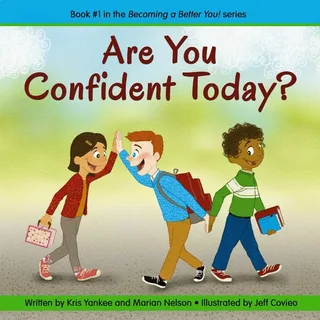
- Read books about starting kindy. Picture books about first days give children a chance to process their feelings through stories.
- Practise routines. Get used to the morning schedule, packing a bag and eating from a lunchbox before the term begins.
- Create a goodbye ritual. A special hug, wave or phrase gives your child a sense of security. Keep goodbyes short and cheerful.
- Label everything. Hats, drink bottles and jumpers have a way of wandering off, so labels will save plenty of frustration.
Managing Separation Anxiety
Tears at drop-off are completely normal, and they usually pass within minutes of a parent leaving. Resist the urge to sneak away, as this can damage trust. Instead, say a clear, loving goodbye and reassure your child that you will be back. Most centres are happy to send a quick message or photo once your child has settled, which can ease your mind too.
Supporting Learning at Home
Your role as your child’s first teacher does not stop once kindy begins. Simple everyday moments can reinforce what they are learning. Read together each night, count steps on the way to the car, cook together and talk about the ingredients, or let them help sort the washing by colour. Ask open questions about their day, such as “What made you laugh today?” rather than “Did you have a good day?”, to encourage richer conversations.
A Confident Beginning
Starting kindergarten is a big step, but it is also the beginning of a wonderful adventure. By choosing a quality program, preparing your child with care and staying involved in their learning, you are giving them the best possible foundation for school and life. Trust your instincts, ask plenty of questions, and enjoy watching your little one grow in confidence, curiosity and joy.
