



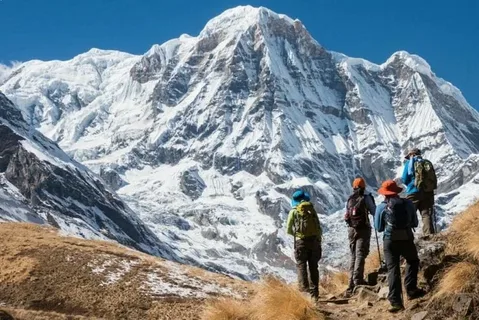
One of Nepal’s last Himalayan jewels, the Manaslu Trek is one of its most remote and satisfying, which circles the eighth-highest mountain on the planet. But this being a high-altitude trek, it also comes with serious risks if you’re not adequately adjusting your body to the elevation gain. A sound acclimatization plan isn’t a flimsy recommendation — it’s an essential component of ensuring the trip is safe, successful, and life-changing.
Manaslu Circuit Trek You still have no idea of what’s happening to your body as you start from the lower elevations of Arughat or the Machha Khola, because the amount of oxygen in the air is normal. Those early days are vital, not just for putting distance under your soles, but for allowing your body to settle into a rhythm. Translate this page. The terrain gradually increases in altitude, perfect for your first acclimatisation stage. Steady walking, hydration, and early avoidance of overexertion will help your body to adjust to thinner air.
Around 3,000 meters, which is often around Namrung and Samagaun, you need some pretty serious acclimatization. This is generally the point where trekkers start to notice the effects of lower oxygen levels. Here, a rest or acclimatization day must be included in your itinerary. That doesn’t mean just sitting on your hands, however. A brief, higher elevation hike — example: hiking from Samagaun to Manaslu Base Camp and then back down — is a way in which the body can be induced to adapt naturally. This “climb high, sleep low” approach allows your body to gain the exposure it needs to adjust without the stress of sleeping at that higher altitude.
Also, a solid acclimatization program should include paying close attention to what your body tells you. Early symptoms of altitude sickness include headaches, dizziness, nausea, and shortness of breath. Remain low to moderate if symptoms develop, and descend if necessary. No sight is worth falling ill with serious health complications such as AMS, HAPE, and HACE. Any good plan has to be built on the premise of flexibility. Better a day or two later than go forward and end up with an evacuation.
Nutrition and hydration are supporting actors to acclimatization. I drink 3-4 liters of water every day, and there’s no compromise on this. Drinking water is good for energy. Water can help prevent fatigue and lower the risk of altitude sickness by preventing dehydration. Consuming a high-carb diet — like one that is rich in rice, potatoes, and noodles — provides your body with the extra fuel it requires to tolerate the increased effort. Also, stay off the booze and out of the smokes, since alcohol hampers oxygen intake and exacerbates altitude symptoms.
Heading towards Lark ya La Pass (5,106 m), the importance of your acclimatization increases even more. This will be your trek’s highest elevation, and you certainly want to be well acclimatized before crossing it. Many trekkers stay for two nights in the villages of Samdo (3,860 meters) or Dharamsala (4,460 meters) before the final push, giving their bodies more opportunity to acclimatize.
A good acclimatization plan isn’t just about not getting sick — it’s about letting you perform your best, have the most fun, and be as safe as possible. Followed scrupulously, it transforms a punishing pilgrimage into an empowering and enlightening journey. As with any trek, when you plan it properly, not only does the Manaslu Trek become attainable, but it becomes unforgettable.
Why Acclimatizing is So Important on the Manaslu Circuit Trek
Manaslu Circuit Trek Nepal Trek through a remote section of the Nepali Himalayas, far from the hustle and bustle of the well-known Everest or Annapurna regions, the Manaslu region features dense tropical jungles, roaring rivers, and, of course, views of the magnificent Himalayan mountains! Given these drastic altitude changes, acclimatization is not just necessary—it’s essential to your safety and even your well-being overall.” And while you climb, oxygen levels decline, and it takes time for your body to adjust. It is a recipe for getting AMS (Acute Mountain Sickness) and hence either end your trek or worse, get into a potentially huge health risk.
Many parts of the Manaslu Circuit gain elevation swiftly, particularly as you near communities like Samagaun and Samdo. If you go up too quickly without rest or acclimatization days, your body has trouble adjusting to the thinner air, which can manifest in symptoms such as headaches, nausea, dizziness, and fatigue. In more severe cases, High Altitude Pulmonary Edema/Cerebral Edema (HAPE/HACE) can occur, both of which are potentially fatal.
Acclimatization gives your body time to slowly adapt by making more red blood cells and enhancing oxygen delivery. It’s also an opportunity to take it slow and enjoy the breathtaking landscapes and the region’s rich cultural experience. Not taking the appropriate time to acclimate “costs” can be much higher in the long run. Knowing how to prepare is key and will enable you to complete Larkya La Pass healthy, strong, and capable of embracing this amazing adventure.
What Is AMS: Risks of Altitude Sickness in the Manaslu Region
Actual risks on the Manaslu Circuit are Acute Mountain Sickness (AMS), especially when crossing 2,500 meters. In contrast, in the Larkya La Pass (5,106 metres), oxygen levels are almost nonexistent, although the trek begins at a tolerable altitude and gets worked. AMS arises when the body fails to acclimatize to the decreased oxygen levels fast enough, and can lead to life-threatening complications if left untreated.
Typical symptoms of AMS are unrelenting headaches, anorexia, nausea, vomiting, insomnia, and vertigo. These typically occur 6–24 hours after arrival at a new altitude. Disregarding these warning signs and ascending further can lead to High Altitude Pulmonary Edema (HAPE) or High Altitude Cerebral Edema (HACE), both of which can be fatal without immediate descent and medical attention.
What makes AMS particularly dangerous in the Manaslu area is the remoteness. Evacuations may be hard or slow because of poor road access and communication. That’s why prevention, in the form of a correctly scheduled acclimatization, is so critical. Listen to your body, treat symptoms seriously, and never go up when you’re feeling ill. With moderate judgments, you can reduce your AMS risk and have safer, more pleasant travels.
Establishing a Reliable Acclimatization Programme for Manaslu
Manaslu Circuit Trek Cost and Itinerary The key to a successful Manaslu trek is a strong acclimatization plan. With elevations climbing from below 1,000 meters to exceeding 5,000 meters, your body requires time to acclimate. A good schedule follows the “climb high, sleep low” rule, includes rest days, and allows for flexibility. Don’t rush—rushing is not only harmful to your risk of getting altitude sickness, but it will also spoil what could be an incredible trek.
Standard acclimatization protocol on Manaslu would have two important stops, Samagaun (3,530m) and Samdo (3,860m). These villages can serve as a good place to rest or a side trek, like the acclimatisation walk to Manaslu BC or Rui La Pass, which lets your body experience higher altitude without acclimatizing there. This acclimatization trek aids in the adaptation of your body and mind and prepares you for the final climb over Larkya La Pass.
The difference between a safe trek and an emergency can be spending extra nights at higher elevations. Factor flexibility into your schedule, then if symptoms do materialize, you can take the time you need. A good acclimatization strategy is not just for health—it’s for connection to the land, the people, and the mission.
Top Acclimatization Points on the Manaslu Circuit
The Manaslu Circuit has some other natural acclimatization points that allow your body system to acclimatize with increased altitude. Of these, Samagaun (3,530 meters) is particularly significant. This conventional Tibetan village boasts dramatic mountain views and is the ideal place for an acclimatization day. Many trekkers make a side trip to Manaslu Base Camp or Pungyen Gompa, both higher and conducive to the “climb high, sleep low” method.
Coming up is Samdo (3,860 meters), another important stop. A not-too-quick ascent awaits as you rest and explore in Samdo, just a short hike from the Tibetan border. From here, you can climb a little more to Rui La Pass and get a bit more altitude, should you feel the need. Not only do these stops give your body a chance to get used to the altitude (13,000 to 17,000 feet), but they also provide a cultural immersion in isolated mountain villages that still embody Tibet’s old religion, Tibetan Buddhism.
At the base of the Larkya La Pass, there’s a high camp at Dharamsala (4,460 meters). It’s important to sleep here for at least one night before the pass crossing. Not perfect for long acclimatization, but a night spent here after an easy climb up from Samdo can ensure that you are rested for the challenge ahead.
Daily Altitude Gain: How to Not Overdo It
Your daily ascent is critical for acclimatizing and preventing altitude sickness on the Manaslu Circuit. A common rule is not to sleep higher than 300 to 500 meters (1,000 to 1,600 feet) above where you slept the night before when you’re above 2,500 meters. This allows your body to get used to the decreasing oxygen before it is overwhelmed.
Manaslu Circuit Trek Map Beyond places like Namrung (2,630 meters), you will start to enter zones where altitude sickness starts to be a real problem. For instance, the trek to Samagaun (3,530 meters) from Lho (3,180 meters) is a modest gain, but the next day, pressing on to Samdo (3,860 meters) without a rest day, will test your limits. Safest, then, is to add acclimatization days for every 600 to 800 meters of elevation gain, which you can use for easy (but active) hikes and rest Day hikes and rest.
The most common mistake trekkers make is going too high, too fast. Your body still needs time to adjust, even if it feels strong and you’re symptom-free. Don’t compare yourself with others and avoid the temptation to “push through it. Keeping yourself to those safe altitude gain boundaries will save your health as well as your chance to complete the trek and take pleasure in every footfall.
The role of hydration, rest, and nutrition on adaptation.
Effective acclimatization on the Manaslu Trek proper is developed by keeping to the basics of hydration, rest, and eating. At high altitudes, your body loses water more quickly through breathing and sweating, even if you don’t notice that you’re sweating. Adequate hydration (3–4 liters/day to drink) promotes blood flow and oxygen delivery, both of which are essential to acclimate to thin air. Dehydration raises your chances of getting AMS, fatigue, and making poor decisions.
Rest is equally critical. Your body needs an additional boost of energy to deal with altitude, and much of this internal adjustment happens while you sleep. That’s why the rest days at planned stops like Samagaun and Samdo aren’t just optional — they’re necessary. It stabilizes breathing, supports cellular recovery, and makes your next altitude gain safer.
Nutrition is also a large factor. A carbohydrate-rich diet offers your body the fuel it needs to support metabolism and adaptation. The food, such as the rice, potatoes, noodles, and soups, can easily be found while in the Manaslu Circuit, and you can opt for that. Stay away from alcohol, excessive caffeine, and heavy proteins, all of which can put strain on your system. That’s because making sure to keep your body hydrated, well-rested, and properly nourished will make a huge difference to how well you acclimatize and whether or not you have a good, symptom-free trek through this incredible Himalayan setting.
What You Can Do to Change Your Manaslu Circuit Trek Itinerary When You Notice Symptoms
Altitude sickness can and will occur upon even the most seasoned trekkers. Awareness of and response to early warning signs such as pain in the head, nausea, dizziness, or tiredness are important on the Manaslu Trek. The most critical rule is that if you show symptoms, do not climb higher until symptoms have subsided. Climbing whilst sick also increases the chance of developing serious conditions such as HAPE or HACE.
Manaslu Circuit Treks Nepal The first thing you need to change is your speed. End your climb at your current elevation and take a rest day. A light activity to a slightly higher elevation, such as a day hike, is followed by sleeping at the same or lower elevation, and it allows your body to acclimate. Drinking fluids, eating light and energy-rich foods, and avoiding alcohol or sleep aids can help relieve symptoms.
Continue low-altitude travel if symptoms continue to worsen. Falling 300-500 meters will give substantial relief as well. In the remote sub-alpine regions of the Manaslu Circuit, medical help can be hours or days away, so early self-guided management is crucial. Add on spare days to your itinerary — enough to be able to skip the odd day if your health doesn’t allow. Knowing how to listen to your body, be truthful about your condition, and stay flexible will be the difference between a successful trip and a perilous evacuation.
Tips by the Experts for Trekkers. I always go with a company, however, the team you have to help you will be operating at a far lower level than the team would be in more developed countries.
Smart acclimatization is what experts say distinguishes a safe, enjoyable trek from a dangerous experience at high altitude in the Himalayas. The Manaslu Trek, with its drastic height difference, is in particular one of the best-suited candidates for several well-tested methods. Most importantly is “climb high, sleep low.” That means day hikes to higher elevations on rest days—like when you hike from Samagaun up to Manaslu Base Camp, and then sleeping at lower elevations to encourage adaptation.
Another reliable approach is gradual climbing. Above 2,500 meters, there should be no more than daily sleeping elevation gains of 300–500 meters. That way, your body can acclimate to the low air pressure. Taking frequent breaks in a slow, steady tempo eases strain and helps to preserve oxygen levels.
Keep in mind that hydration and nourishment are also key players. Specialists suggest 3–4 litres of water daily along with a high-carb diet as the best way to ensure energy efficiency at altitude. Steer clear of alcohol, which dehydrates and gets in the way of sleep.
And finally, itineraries designed with acclimatization in mind, rest days built in are key. One of the most dangerous and common mistakes is to skip them in order to save time. Getting cued on acclimatization from the experts makes your Manaslu experience significantly safer, more comfortable, and a ton more fun.
Example 14-Day Itinerary for Manaslu with Included Acclimatization
An ideal 14-day Manaslu Circuit itinerary strikes a good balance between walking gain and acclimatization. Here is an example that includes wise elevation gain and rest:
Day 1: By bus 7 hr. to Soti Khola (700m).
Day 2: Trek to Machha Khola (900m)
Day 3: Trek to Jagat (1,300m)
Day 4: Trek to Deng (1,800m)
Day 5: Hike to Namrung (2,630m)
Day 6: Trek to Lho (3,180m)
Day 7: Hiking to Samagaun (3,530m.)
Day 8: Acclimate in Samagaun (hike to Manaslu Base Camp or Birendra Lake)
Day 9: Trek to Samdo (3,860m)
Day 10: Rest and acclimatization day in Samdo (hike to Rui La or surrounding hills)
Day11: Trek to Dharamsala/Larkya Phedi (4,460m)
Day 12: Over Larkya La Pass (5,106m) and trek down to [email protected] (3,720m)
Day 13: Dharapani trek (1,920m) Keep trekking to Dharapani, in the heart of Manang valley.
Manaslu Circuit Trek Cost Day 14: Drive to KathmanduPART II DOCUMENTATION FOR THE TRIP WE WILL PROVIDE RESERVATION Once you have made reservation for any trip, you are required to send us the following at least two weeks before the official trip departure: Photocopy of passport with contact telephone Photocopy of air ticket A payment of 15 % of the amount of the trip as advance A scanned passport size photograph of yours to: Your complete name as it appears in your passport Dates!
This schedule acclimates your body well to two critical days at high elevation by keeping elevation gain manageable every day and including side hikes for acclimation. It’s tough but sensible, affording the best possible opportunity for a safe and successful trek around Manaslu and also allowing time to take in and savor the beauty and tranquility of the region.
How to Avoid Typical Acclimatization Mistakes on the Manaslu Trek
Hundreds of tourists on the Manaslu trek get into trouble simply by having no idea how to acclimatize properly. The most frequent is to ascend too fast. Over-enthusiasm can also cause some to push the height to unsafe limits, especially between Lho, Samagaun, and Samdo. The key is to adhere to the rule not to ascend more than 300 500 meters per day above 2,500 meters and to build in rest days for acclimatization.
You may also have overlooked those early symptoms of altitude sickness. Treating headaches or fatigue as ordinary tiredness can have serious health consequences. Listen to your body at all times, and take action at the first sign of distress — rest and hydrate, and if you must, descend.
And then there’s the perilous play of skipping rest or acclimatization days to push on “schedule.” These breaks aren’t just downtime — they’re crucial to survival, and even to adaptation. You must be flexible in your travel plans.
Inadequate hydration and caloric intake may also impair acclimatization. Altitude dehydrates and exacerbates fatigue and AMS symptoms. The two concerns are staying well-hydrated and consuming energy-rich, high-carbohydrate food.
Finally, no alcohol or sleeping pills, as they depress respiration and acclimatization. It doesn’t have to be that way; with good planning, just a hint of patience, and some wise choices, you should be able to keep clear of making these mistakes whilst soaking up an enjoyable and rewarding circuit trek around Manaslu.
How do I get ready for the Manaslu Circuit Trek?
Manaslu Circuit Trek Best Time Training for the Manaslu Circuit Trek: The Manaslu Circuit Trek cannot be done without training. Physically, you should be training a minimum of 6-8 weeks before the trek. Concentrate on developing your stamina via cardio exercises such as hiking, running, or cycling. Include strength training, stair climbing, and practice hikes with a loaded backpack in purposeful conditions.
Mentally prepare yourself for remote and rustic conditions—this is a much less-commercial trek, with somewhat sparse infrastructure. On the logistical side, make sure you have your permits (Manaslu Restricted Area Permit, Annapurna Conservation Area Permit, have paid for your TIMS card, and that you have travel insurance that covers trekking to heights over 5,000 meters and emergency evacuation from the trail.
Since the area mandates both a guide who is registered and a minimum of two trekkers, book with a respectable trekking agency. If you plan your gear wisely, you will be prepared for any weather, especially at higher elevations.
How hard is the Manaslu Circuit trek?
Note: Manaslu Circuit Trek is moderate–adventurous and thus physically demanding. It spans roughly 110 miles (177 km) in 14–18 days, and involves epic altitude shifts (we range from late 2,785 feet to over 16,752 feet at Larkya La Pass).
Key challenges include:
- Long hours of walking per day (6–8 h/day).
- See also Very abrupt ascent after Samagaun.
- Mountain weather is fickle.
Simple food and hotel possibilities in outlying regions.
While not technical (helicoptering in some climbing gear was not required), the hike demands good fitness, altitude acumen, and mental endurance. The difference in handling the demands is because proper acclimatization and preparation are required.
Manaslu versus Everest – which is more difficult?
That depends on what you compare it with:
Manaslu Circuit Trek Vs Everest Base Camp Trek:
The Manaslu Circuit Trek Difficulty is typically more difficult because of its remoteness, less-worn trails, fewer teahouses, and longer duration. It’s about the same altitude as EBC (5,364m), which is also the highest point of the trail (Larkya La Pass at 5,106m); however, the trek is trickier than EBC, and rescue services are not as well developed.
Manaslu Climb and Everest Ascents:
If you’re talking about hiking to the top of Mount Manaslu (8163m) compared to the top of Mount Everest (8848m), Everest is more difficult because it is higher in altitude and experiences worse weather conditions, including the dangerous Khumbu Icefall. However, both are high-altitude 8,000-meter peaks that demand serious expedition experience.
What to pack for the Manaslu Trek?
How to Pack Smart Pack smart and only bring what you need to be comfortable and safe this year. Here’s a quick checklist:
Clothing:
- Underwear and thermals (top and bottom)
- Fleece or down mid-layer
- Jacket and pants with a waterproof and windproof outer shell
- Jacket (down or synthetic insulation)
- Trekking pants and shorts
- Moisture-wicking t-shirts
- I would add: warm hat, sun hat, gloves (thermal + waterproof)
- Buff or neck gaiter
Footwear:
- Durable, well-worn hiking boots
- Camp shoes/sandals (fuel campers’ spirits along with their feet)
- Trekking socks ( wool or synthetic, several pairs)
Gear:
- Daypack (20–30L)
- Sleeping bag (rated to at least -10°C)
- Headlamp with extra batteries
- Trekking poles
- Sunglasses (UV protection)
- Water containers, water pack or bladder (at least 2–3L)
- Purification tablets or a filter for water
- Personal first aid kit
- Personal items and biodegradable soap
- Sunscreen and lip balm (low SPF).
- Power bank with charging cable
- Documents & Essentials:
- Passport, visas, and insurance information
- Cash (no ATMs on the trail)
- Snacks and energy bars
Packing light, but packing well, is essential — weather in the Himalayas can change quickly, and good layering and gear can make all the difference.
Please tell me if you’d like me to put together a checklist or packing list for download!
